- Conservation Prioritizations
- Habitat Management
- Inventory and Management
Science- based Conservation
Tangled Bank Conservation can develop a systematic plan for conservation prioritization that is science-based, transparent, and defensible. By assessing conservation opportunities using formal prioritization systems and decision analytic techniques, we can determine the most effective method of allocating conservation action.
What is Conservation Prioritization?
Conservation prioritization is a systematic approach that identifies and prioritizes areas, species, and actions for effective conservation planning and resource allocation. By evaluating factors such as biodiversity values, threats, ecological significance, and conservation needs, it determines which areas and species require immediate attention and protection. This process maximizes the impact of limited conservation resources by helping organizations and practitioners make informed decisions on where to allocate their time, efforts, and funding. By focusing on priority areas and species, conservationists can achieve the greatest conservation outcomes and address urgent challenges.
Many of our prioritization plans have included several types of data and targets, such as protecting biodiversity while maximizing the benefit to underserved populations, or identifying priority areas for conserving biodiversity and ecosystem function to most efficiently meet your goals and maximize the impact of limited resources.
What Can Conservation Prioritization Answer?
- How can limited conservation resources be allocated most effectively to achieve the greatest conservation outcomes?
- Which areas have the highest biodiversity value and should be prioritized for conservation efforts?
- Which habitats or ecosystems are under the greatest threat and need targeted conservation interventions?
- How can conservation actions be strategically coordinated across different geographic scales to maximize their impact and promote connectivity between protected areas?
Helping Native Species Thrive
Through meticulous planning, implementation of best practices, and the use of innovative techniques, we strive to recreate the ideal conditions for native species to thrive.
What is Habitat Management?
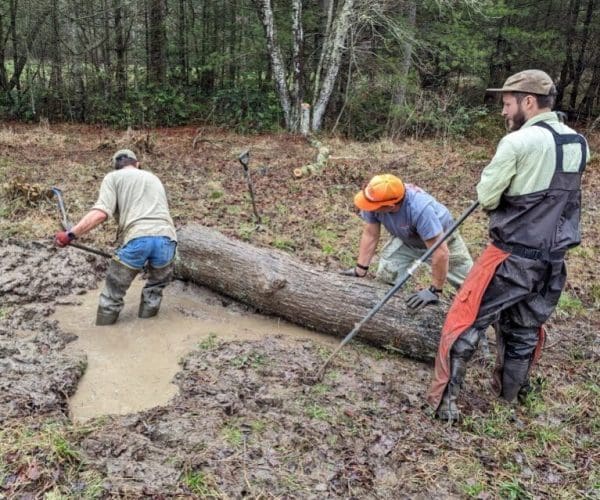
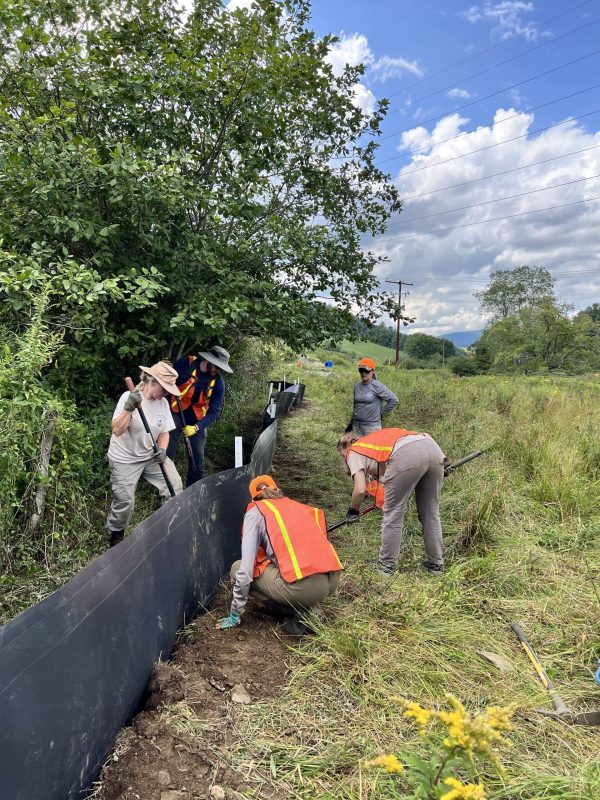
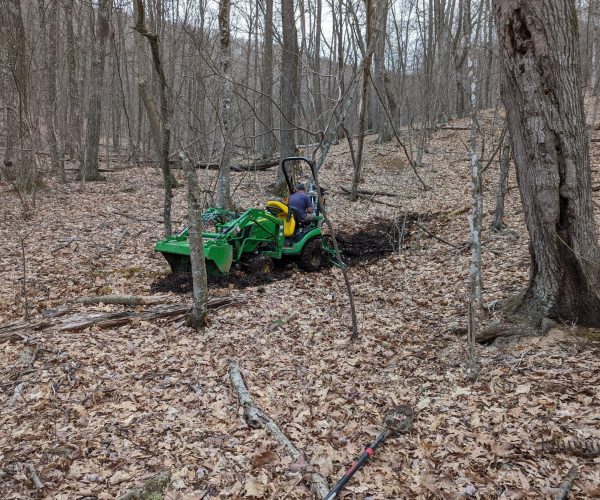
Habitat management utilizes proactive interventions to restore, enhance, and create habitats that support wildlife populations. It focuses on implementing management practices, such as altering vegetation composition, adjusting hydrological conditions, controlling invasive species, and more, to create and maintain favorable conditions for wildlife species.
This work is crucial in ecosystems that have faced the negative impacts of habitat loss, fragmentation, and degradation caused by human activities and other factors. In many ecosystems, such as mountain bogs, the few sites that still exist are in poor condition and cannot support the rare species that they once did. Habitat management not only helps restore the ecological functionality of degraded habitats but also contributes to the overall health and resilience of ecosystems. It allows for the recovery of species populations, promotes biodiversity, and fosters the re-establishment of important ecological processes. By prioritizing habitat management in degraded habitats, we can make a significant positive impact on wildlife conservation and contribute to the long-term sustainability of our natural environments.
We work closely with landowners, government agencies, and environmental organizations to assess and restore degraded habitats on both public and private lands. In addition to restoration work, we also specialize in habitat augmentation and creation. Our team possesses extensive knowledge of ecosystem dynamics, allowing us to design and construct habitats that meet the specific needs of target species.
What Can Habitat Management Answer?
- How can habitat restoration and management contribute to the overall conservation goals of the client?
- How can we manage invasive species to protect and restore native habitats?
- What management practices can enhance biodiversity and promote the health of natural habitats?
- How can degraded habitats be restored and improved to support the recovery of threatened species?
What Will We Find On Your Property?
Our inventory and monitoring services are perfect for your conservation easement baseline and monitoring or for identifying threatened and endangered species in an area.
What is Inventory and Monitoring?
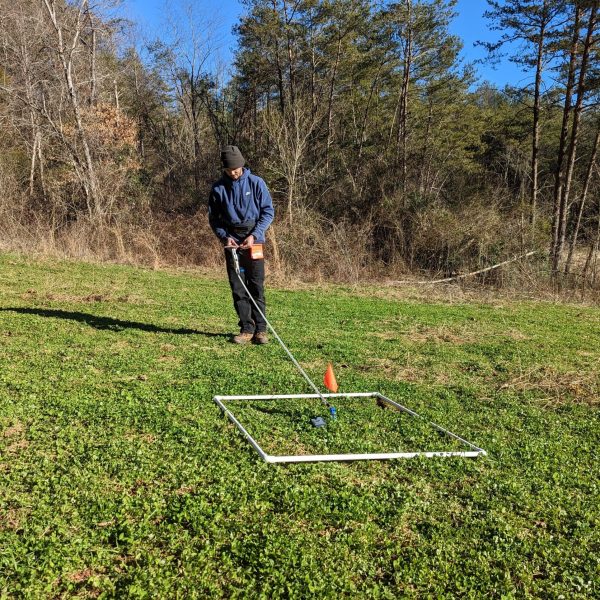
Inventory and monitoring involve systematic data collection and assessment of species, their populations, and their habitats. It encompasses surveys, observations, and data analysis to gather information on species distribution, abundance, trends, and ecological processes. Inventory and monitoring efforts provide essential information for assessing the health of species, populations, and ecosystems, as well as identifying conservation priorities and evaluating the effectiveness of conservation actions. By monitoring populations, trends, and habitat conditions over time, conservationists can detect changes, identify threats, and implement proactive measures to protect endangered species and their habitats. This information can be utilized to inform future conservation efforts and management decisions.
TBC has extensive knowledge with biodiversity surveys in the eastern United States. We are experienced with standard field survey techniques and have a host of genetic tools (such as environmental DNA techniques) that can make our surveys more comprehensive and accurate when compared to traditional techniques.
What Can Inventory and Monitoring Answer?
- What species are present on the property, and where do they occur? Are there any endangered, threatened, or species of concern present?
- What are the impacts of previous land use changes or restoration efforts on target species over time?
- What are the key habitats and ecological processes supporting wildlife populations? Are there any critical breeding areas, etc.?
- What are the major threats to wildlife and their habitats in the area?