Sampling environmental DNA is one of the fastest-growing research methods for detecting species and quantifying their relative abundance.
What is Environmental DNA?
Environmental DNA (eDNA) is DNA collected from the environment, usually from soil, water, or feces. As individuals shed DNA naturally through their skin, mucous etc., the DNA is collected in the environmental sample and can be sequenced to give an understanding of which species are present. Environmental DNA can help detect invasive species, target rare species, or quantify entire communities of species based on only a few water or soil samples.
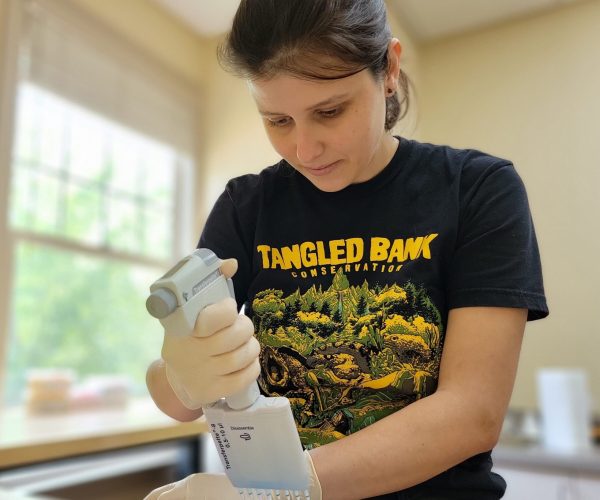
Whether targeting one species with qPCR (link to qPCR section) or quantifying entire communities from soil, water, or feces, our lab has a track record of delivering quality results. We can handle projects at any stage – from sampling, to filtering, or already extracted eDNA – and can target single species on our in-house qPCR, or entire communities through Illumina-based metabarcoding.
What Can Environmental DNA Answer?
What species are present in the ecosystem?
Is an invasive species threatening this population?
What quantity of fungal pathogens are on this specimen’s skin?
How does biodiversity vary among streams or depending on land use on my property?x
What species will we find?
Our quantitative PCR (qPCR) services are an excellent way to determine the presence and relative abundance of a target species from a variety of environmental DNA sample types.
What is Quantitative PCR?
Quantitative PCR (qPCR) is a type of PCR that measures the concentration of a targeted region of DNA in real-time. Even though qPCR has been around for more than 20 years, it is still a workhorse in any modern genomics laboratory. At Tangled Bank we design custom qPCR primers to detect rare species of interest from water, soil and fecal samples (link to eDNA section). We also use qPCR on non-invasive swab samples to identify if amphibians have been infected with deadly fungal pathogens.
Examples of applications of qPCR include identifying Appalachian Cottontail habitat through scat analyses, identifying species through egg shells, skin sheds, or mysterious roadkill, and quantifying relative copies of Hellbender DNA found in streams. We also utilize instrument multiplexing to detect up to 3 species in a single qPCR run, lowering cost and shortening our turnaround time.
What Can qPCR Answer?
Are my amphibian populations positive for the deadly amphibian chytrid fungus?
Are hellbenders present in my water ways?
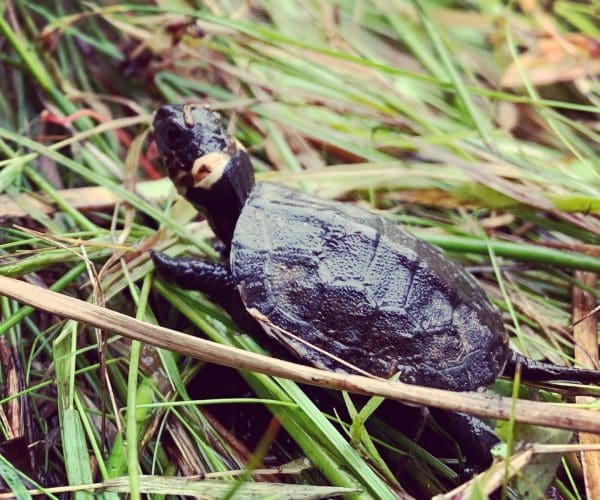
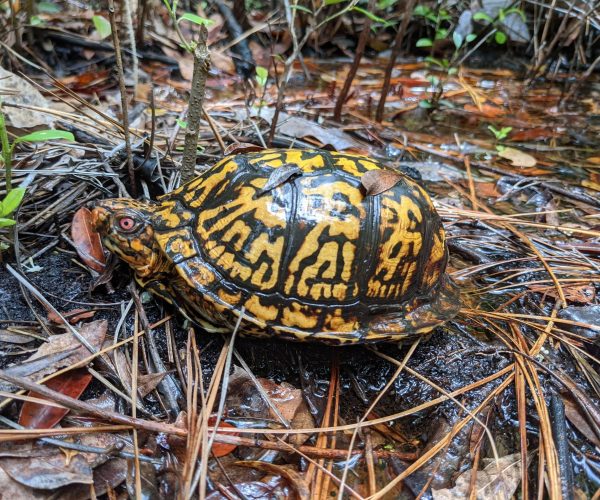
Which of my bogs likely has the greatest abundance of Bog Turtles?
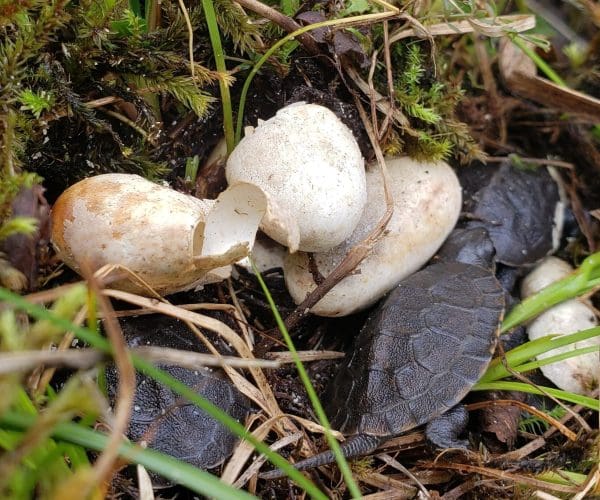
Are these turtle eggs from an endangered turtle species?
Ask us about our primers!
We provide cost-effective library preparation, utilize Illumina sequencing, and can deliver raw or analyzed data.
What is Next Generation Sequencing?
Next Generation Sequencing (NGS) is the newest wave of genetic technology. Instead of sequencing one or a few genetic locations, we can now sequence thousands or millions of locations using NGS technology. Applications of this method include: identifying source populations of confiscated turtles, building pedigrees of individuals of unknown parentage, assessing a population’s genetic health, and tree building and taxonomy. Due to our bulk library preparation methods and batch sequencing, we can offer a low per sample cost that is often cheaper than traditional genetic techniques like microsatellite analyses.
We most often use dual-digest RADseq (3RAD), which can provide you with hundreds to thousands of loci across the genome, useful for identifying candidate SNP loci for capture bait design. In addition, we can target specific markers for population studies and diversity analysis with tailor-made primers and species databases. We can also use Whole Genome Sequencing to find genomic regions under selection, or genes that may be important for climate adaptation.
What Can Next Generation Sequencing Answer?
Should this population be described as a new species? How is it related to other nearby populations?
Do the roads in my timber plantation prevent this endangered species from breeding?
How are individuals in my captive breeding facility related to each other? How should I breed them together to best maximize genetic diversity?
What is the effective population size of my species of interest?
Measuring Genetic Differences
Commonly used in population genetics to measure genetic differences over very short timescales, we can handle microsatellite primer design and/or sequencing for many samples at a time.
What is a Microsatellite?
Microsatellites are hypervariable, repeating areas in genomes. Because they are so variable, they’re especially good at measuring differences over short periods of time. Despite being around for more than 20 years, microsatellites are still commonly used in genetics today. For example, microsatellites are still used in forensic cases to identify individual humans.
At Tangled Bank, we use microsatellites to measure contemporary population differentiation, the effects of disturbance on genetic diversity, and to measure contemporary migration rates, among other uses.
What Can Microsatellites Answer?
How many individuals cross this river/road/agricultural field to breed?
How long have these two populations been separated?
How are these Bog Turtles related to each other?
Are the same individual frogs breeding in this pond year after year?