Phylogenetics, subspecies, and conservation of the eastern pinesnake
Whether or where to draw subspecies’ taxonomic boundaries is much more than an esoteric argument. Subspecific taxonomies and associated geographic ranges have important conservation and management implications because the Endangered Species Act (ESA) protects distinct populations segments below the species level. Genomic data can help resolve taxonomic disputes and assist with conservation policy; however, because subspecific lineages often exhibit gene flow, genomic lineages for subspecific taxa are rarely distinct. We used genomic data from the eastern pinesnake (Pituophis melanoleucus) to determine the geographic range of the morphologically variable Florida pinesnake (P. m. mugitus), which is petitioned for listing under the ESA. The overall genomic pattern of the eastern pinesnake is one of admixture, and there are gradual differences over the wide range of the species. But there still are discernable areas of genetic differentiation that correspond to the morphologically defined Florida pinesnake, and other subspecies. This pattern of admixture should be expected for subspecies. We propose that boundaries for the Florida pinesnake should maximize the species redundancy, resilience, and representation based on genomic data. We also propose best practices for managers and policymakers interpreting genomic data of subspecies, given that the genomic cutoffs will rarely be truly distinct.
Using genomic data to estimate population structure of Gopher Tortoise (Gopherus polyphemus) populations in Southern Alabama
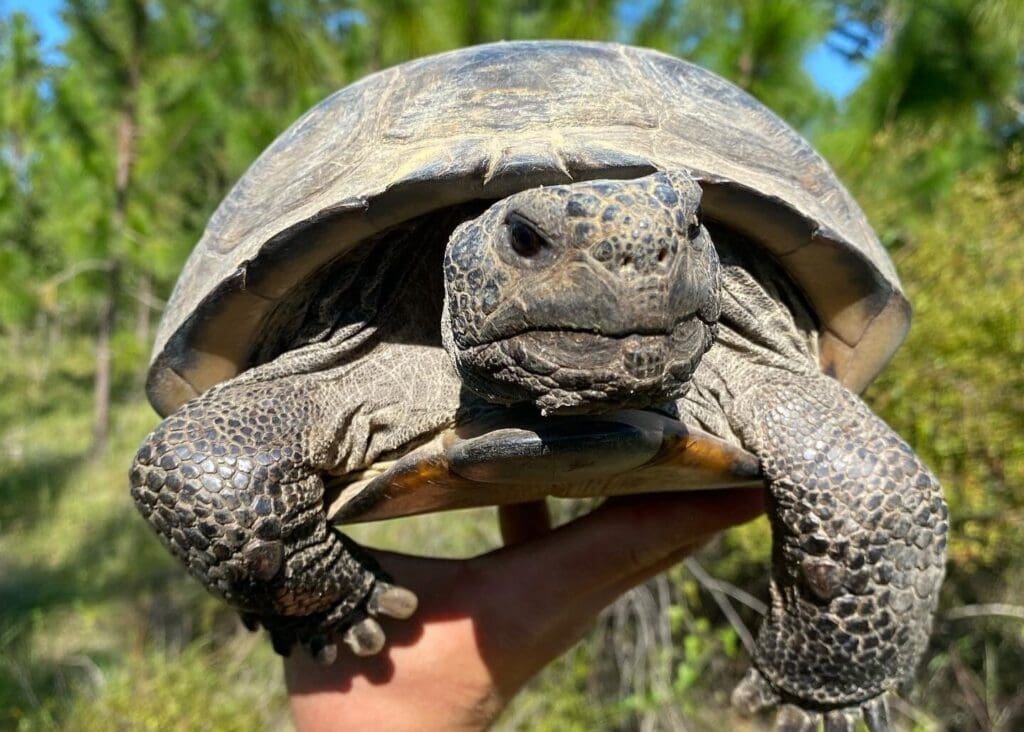
In the North American longleaf pine (Pinus palustris) ecosystem, the Gopher Tortoise (Gopherus polyphemus) is a keystone species that has declined significantly over the last century. Habitat degradation and fragmentation may have caused G. polyphemus to become separated into small, isolated local populations that suffer from decreased genetic diversity or inbreeding depression. Here we use genome-scale methods to sequence thousands of loci for 336 G. polyphemus individuals from 11 sites across southern Alabama to estimate population genetic structure and levels of genetic diversity. We found a pattern of isolation by distance among samples, where geographic distance predicted genetic difference. Principal components and structure analyses supported the existence of three weak genetic populations comprising individuals from (1) Fred T. Stimpson State Game Sanctuary and Perdido Wildlife Management Area, (2) Conecuh National Forest and Solon Dixon Forestry Education Center, and (3) Geneva State Forest Wildlife Management Area. We did not observe strong variation in genetic diversity or effective population size metrics among sampling locations or genetic populations identified by population structure analyses. Our results suggest that G. polyphemus historically operated on larger geographic scales than those considered by contemporary mark-recapture studies. Absence of variation in population genetic metrics suggests that either effects of fragmentation have not manifested themselves, or that the effects are similar across all locations. Given the common use of translocations in Gopher Tortoise management, we provide a framework for tortoise translocations based on our genomic data.
Population Structure and Genetic Differentiation in Extant Alligator Snapping Turtles (genus Macrochelys) with Implications for Taxonomy and Conservation
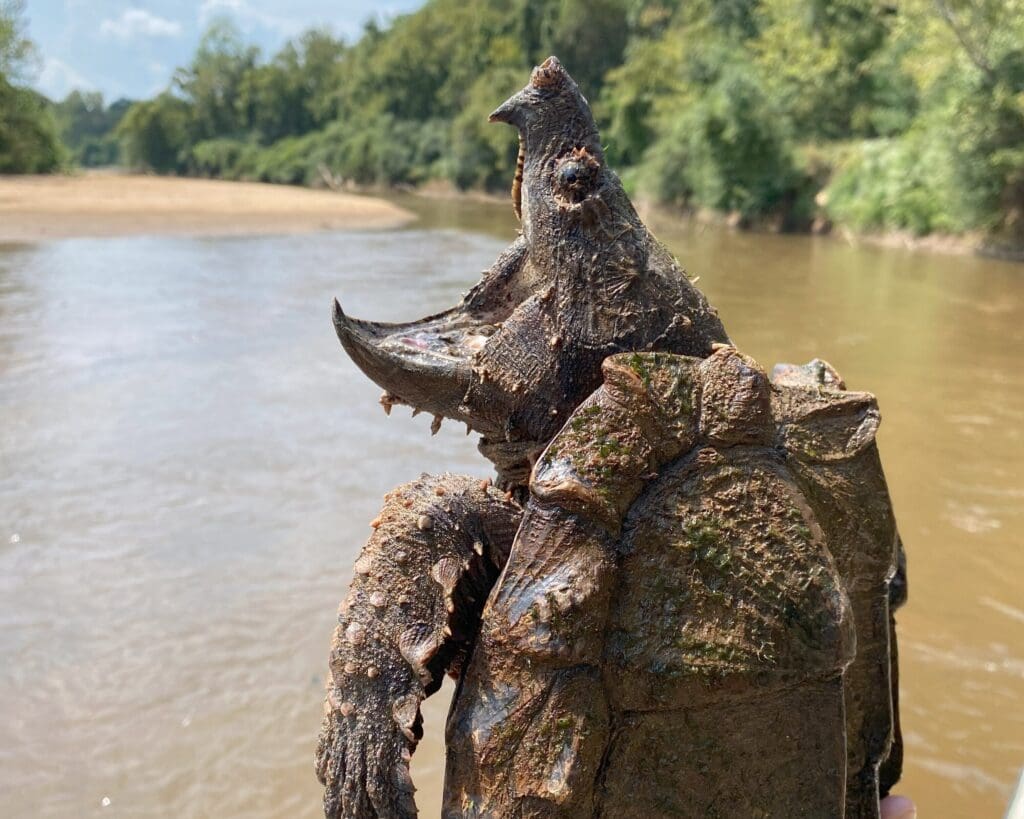
Historically believed to harbor unrecognized diversity, the taxonomy of the declining genus Macrochelys (alligator snapping turtles) is debated. The original species, M. temminckii, was recently split into M. temminckii, M. apalachicolae, and M. suwanniensis. However, the status of M. apalachicolae is contested. In this study, we generated thousands of genome-wide loci to quantify population structure and genetic differentiation across the range of Macrochelys spp. Our data indicate that M. apalachicolae is genetically distinct, with little gene flow between M. apalachicolae and other species, thus adding evidence that M. apalachicolae may be a distinct species. We also find genetic variation partitioned among river drainages, with very high intra- and interspecific genetic divergence among river drainages. We suggest that translocations and re-introductions only move turtles in this genus within their natal river drainages to preserve existing patterns of genetic diversity.
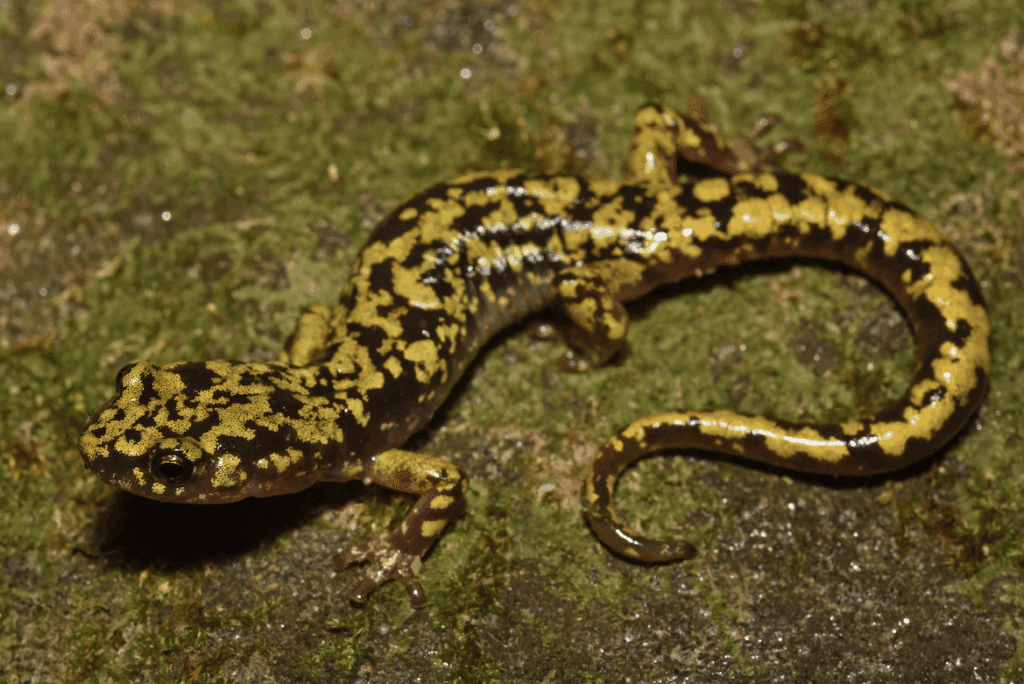
Mitochondrial DNA and Population Genomics Reveal Additional Cryptic Diversity in the Green Salamander (Subgenus Castaneides) Species Complex